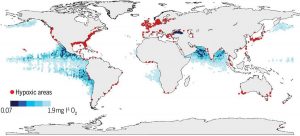
Low-oxygen zones have quadrupled in 50 years.
Fertilizers and industrial pollution cause more and more oxygen-poor and dead zones in our oceans. There is hardly any oxygen present in these dead zones, making life impossible for marine …
Read more


Fertilizers and industrial pollution cause more and more oxygen-poor and dead zones in our oceans. There is hardly any oxygen present in these dead zones, making life impossible for marine …
Read more
Resistant bacteria arise in large rivers due to the high levels of antibiotics present in the water. Medications and antibiotics were found in 66% of the rivers studied in 72 …
Read more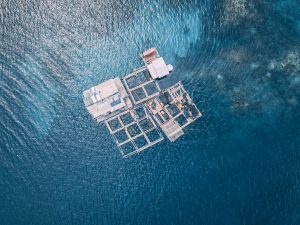
Fish farms in the ocean disrupt the ecosystem. The overcrowding in fish farms is responsible for the spread of diseases in wild fish. The toxic food that the farmed fish …
Read more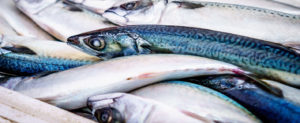
You don’t have to be a scientist to know that our oceans are terribly polluted. Here at Amanprana we have regularly published articles on this subject under the title of …
Read more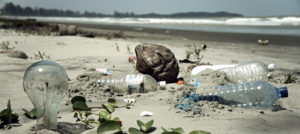
If you follow the news every day, how often do you see stories about our oceans? And how much do you know about the blue part of our blue planet? …
Read more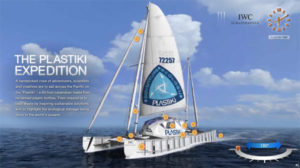
Eco-warrior and outrageous multimillionaire David de Rothschild is about to make a voyage around the world, of more than 11.000 nautical miles with his Plastiki, a 20 metre long catamaran, …
Read more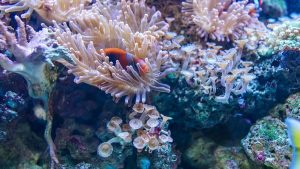
Climate warming also has major consequences for the oceans. Between 1850 and 2015, the surface temperature of the world increased by 0.87° C. According to climate scientists, global …
Read more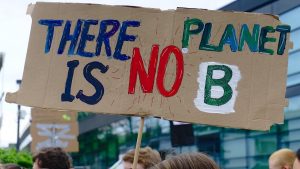
Climate-change activists march through the streets, bunking classes for our future’s sake. Bunking classes in many cities in Europe “We deserve a green planet, a safe future, and politicians who …
Read moreIt is expected that this plastic pollution will triple again in the next 10 years. The envisioned future warns of an “out-of-sight, out-of-heart” approach to the plastic problem. One would …
Read more
Scientists believe that no less than 98% of marine plant and animal life live in or on the ocean floor. Large numbers of them live around underwater mountains, also called …
Read more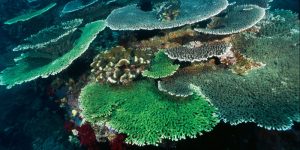
In the northern Atlantic Ocean blue whiting is currently being excessively and irresponsibly fished. In Iceland alone 276 million kilos of it. The majority of this is processed into fish …
Read more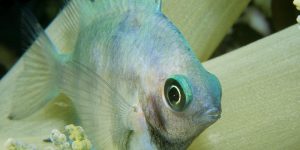
Overfishing is prevalent along most of the world’s coasts. The consequences: 1. Fishing fleets target increasingly small species so that they no longer have enough time to mate. 2. Fishing …
Read more
Unless drastic measures are taken, the waters around Europe, and elsewhere, will start to look like a desert, and an empty fishpond. Fishermen often forget that they only harvest and …
Read more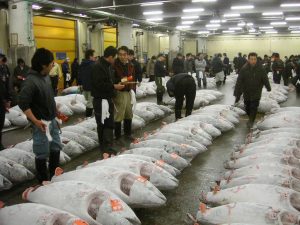
Ancient Greeks used to stand on bluffs to watch for schools of tuna passing the shore. Today, fishing fleets stalk the fish across thousands of miles of ocean with helicopters, …
Read more
Fishing for tuna was once very efficient. In the Mediterranean it was the huge tuna such as the Sicilian Mattanza that was fished. But that is a thing of the …
Read more
Tsukiji market in Tokyo, a national sanctuary that is the symbol (and soon to be in the past tense) for the ‘inexhaustibility of the sea’ where 600 million kilos of …
Read more
Stop whaling. On 12 September 2010 ‘A Night for the Oceans’ was organised. A fund-raising event for Sea Shepherd with the cooperation of Noble-House aimed at protecting and cherishing our …
Read more
When you dissect a seabird the chances are high you’ll find plastic in its stomach. As we have previously described, our oceans are full of microplastics. We’ve already covered the microbeads in …
Read more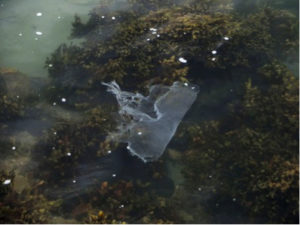
How many plastic bags do you use? Every year the average European uses 200 plastic bags, creating a giant mountain of waste. The bags end up in our rivers, oceans …
Read moreOn Friday March 5, the UK government closes a public consultation on whether or not to create the world’s largest Marine Protected Area around the Chagos Islands. Commercial fishing companies …
Read more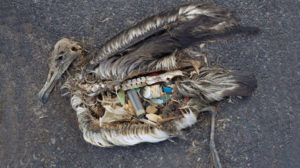
Chris Jordan, art photographer, tries to show the consequences of mass consumption in his pictures. The small island archipelago of Midway, halfway between the USA and Asia, in the northern …
Read more
The mountain of waste resulting from mass consumption of non-organic materials such as all kinds of plastics, will leave an “unbearable stamp” on the coming centuries. We must stop using …
Read more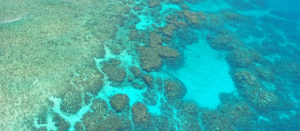
Did you know that you can get an underwater heat wave? We’re all familiar with those hot periods when we suffer from the weather, but the underwater world also has …
Read more
Hormones turn whelks into hermaphrodites. Tributyltin and hormone research Research on whelks (a type of sea snail, which you’ve probably eaten at some point) led to a bizarre discovery. There …
Read more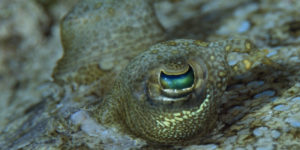
In around 1900 industry added a hydrogen atom to vegetable oils in order to solidify them. This was the origin of margarine, a longlife fat. It appeared to be quite …
Read more
If you regularly eat fish you have eaten plastic as well. It has been estimated that an approximate 244 million kilos of plastic is in our oceans. Most of this …
Read more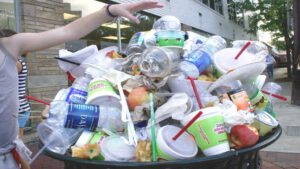
France has announced that it intends to ban the use of plastic plates and plastic cups by 2020. This means that by the new decade there won’t be a plastic …
Read more
Who hasn’t heard of Starbucks? Their popularity, for a large part, is due to their signature move: writing or better yet misspelling your name on their coffee cups. The popularity …
Read more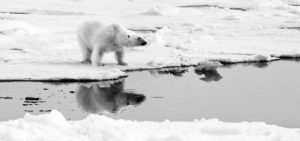
Every once in a while, it’s nice to read about positive developments for our oceans and the fishing industry. Large international fishing fleets and customers have come together with the …
Read more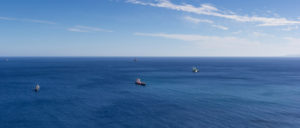
Just 4% of our oceans is protected, it has emerged from a study conducted by the Institute for Ocean and Fisheries at the university of British Columbia (UBC). That’s very …
Read more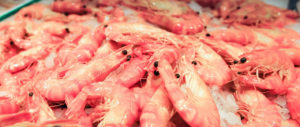
The effects of microplastics remain unclear, but preventative methods are being studied While the effects of microplastics, as well as the chemicals and bacteria they carry, are still under investigation, …
Read more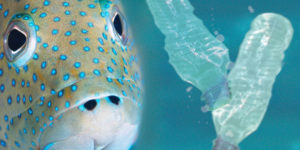
Small initiatives can make a difference. Lots of small initiatives can make a big difference. Together, we can safeguard the oceans and seas from further pollution and help preserve critically …
Read moreA recreational event for charity. North Sea Challenge voor schonere kusten voor onze kinderen! Daarom sponsort Amanprana! Kim Clijsters is godmother of Amanprana North Sea Challenge 2014 Kim Clijsters is …
Read more
1500 scientists recently warned that human activity, such as destructive fishing is causing the volume of catches to plummet. If we do not change course radically we can expect to …
Read more
The Sardine Run occurs between May and July when millions of sardines – or more specifically the Southern African pilchard Sardinops sagax – spawn in the cool waters of the …
Read more
The first phase of SCFE is the extraction phase, the crude fish oil is put under high pressure (200 to 600 bar) and at temperatures between 30 and 150° oxygen …
Read more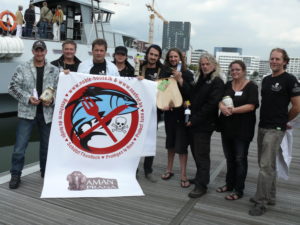
Amanprana sponsors Sea Shepherd’s ‘Brigitte Bardot’. Don’t eat tuna – the fight for tuna-free restaurants. Sea Shepherd’s ‘Brigitte Bardot’ visits Antwerp (MAS museum) On 15 September 2011 Amanprana visited the …
Read moreNo! Climate change is not the main reason why sea turtles struggle to survive in the world’s oceans. It’s people. People who steal, sell and eat turtle eggs. These pictures …
Read more